1,075
households participating
Households separating organic waste for the campus composting programme.
2026 target exceeded1,000 households
 العربية
Projects & facilities
Explore the facilities and collaborations connecting organic resources with new possibilities for Saudi Arabia’s soils.
01 · KAUST
Operating facility
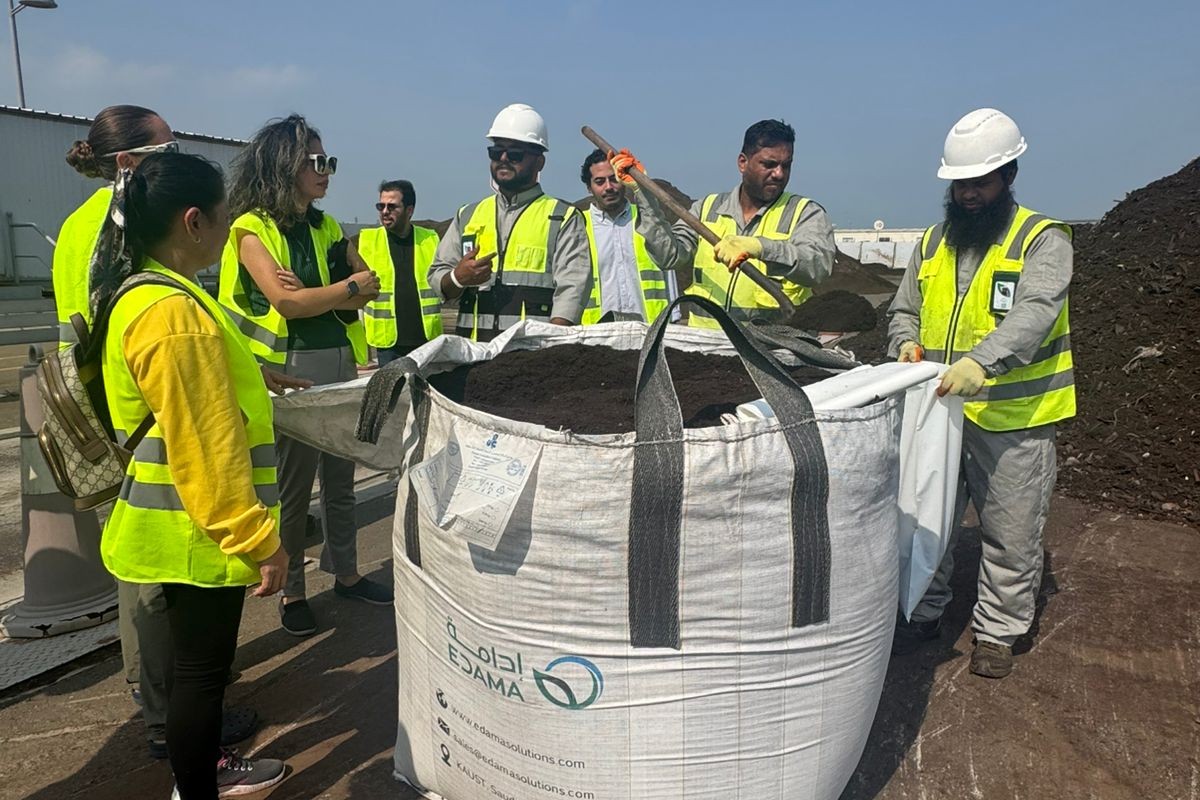
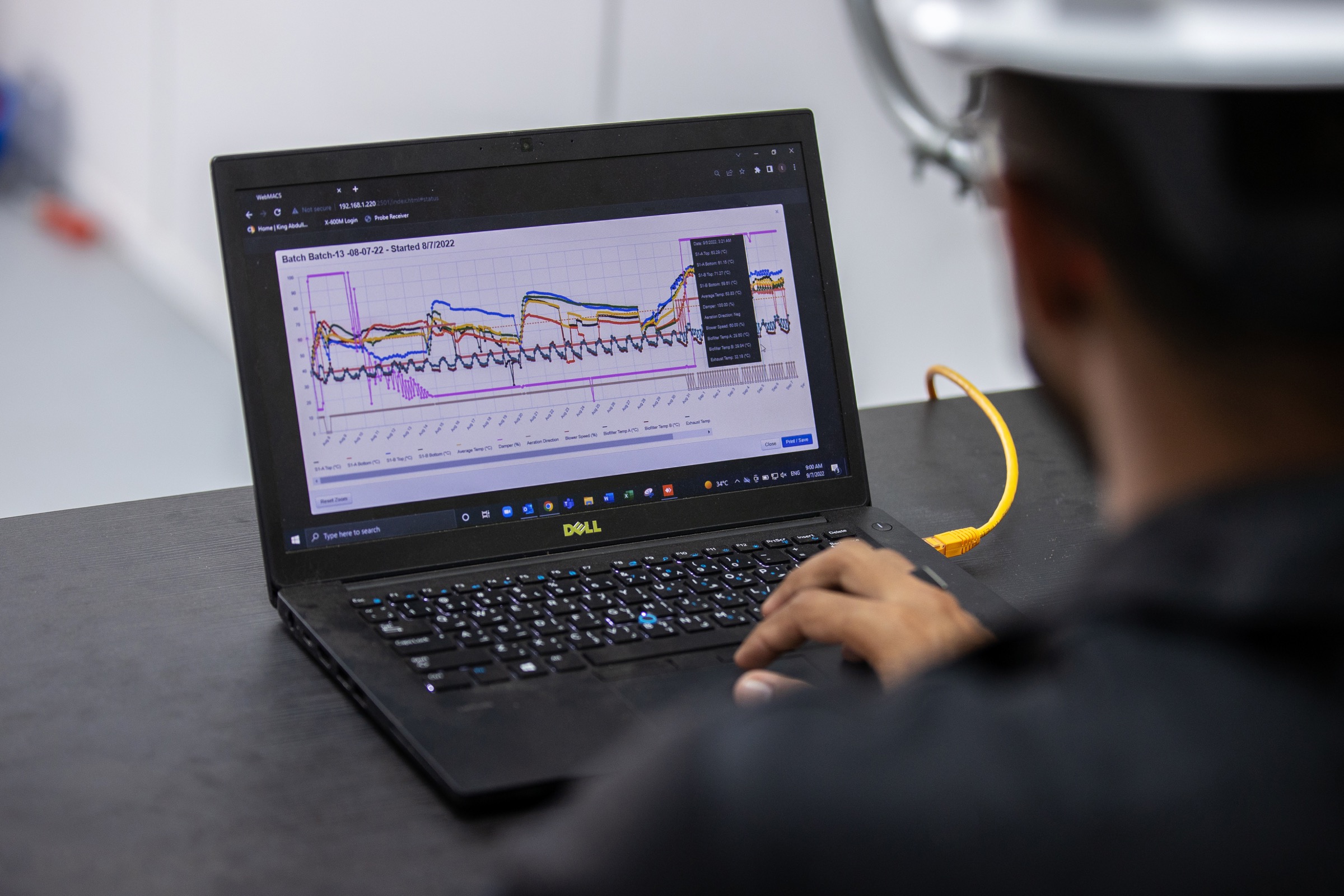
At KAUST, food and garden waste from the campus community becomes compost for productive use. Receiving and weighing, sorting, composting, screening and dispatch connect everyday waste separation with a return to the soil.
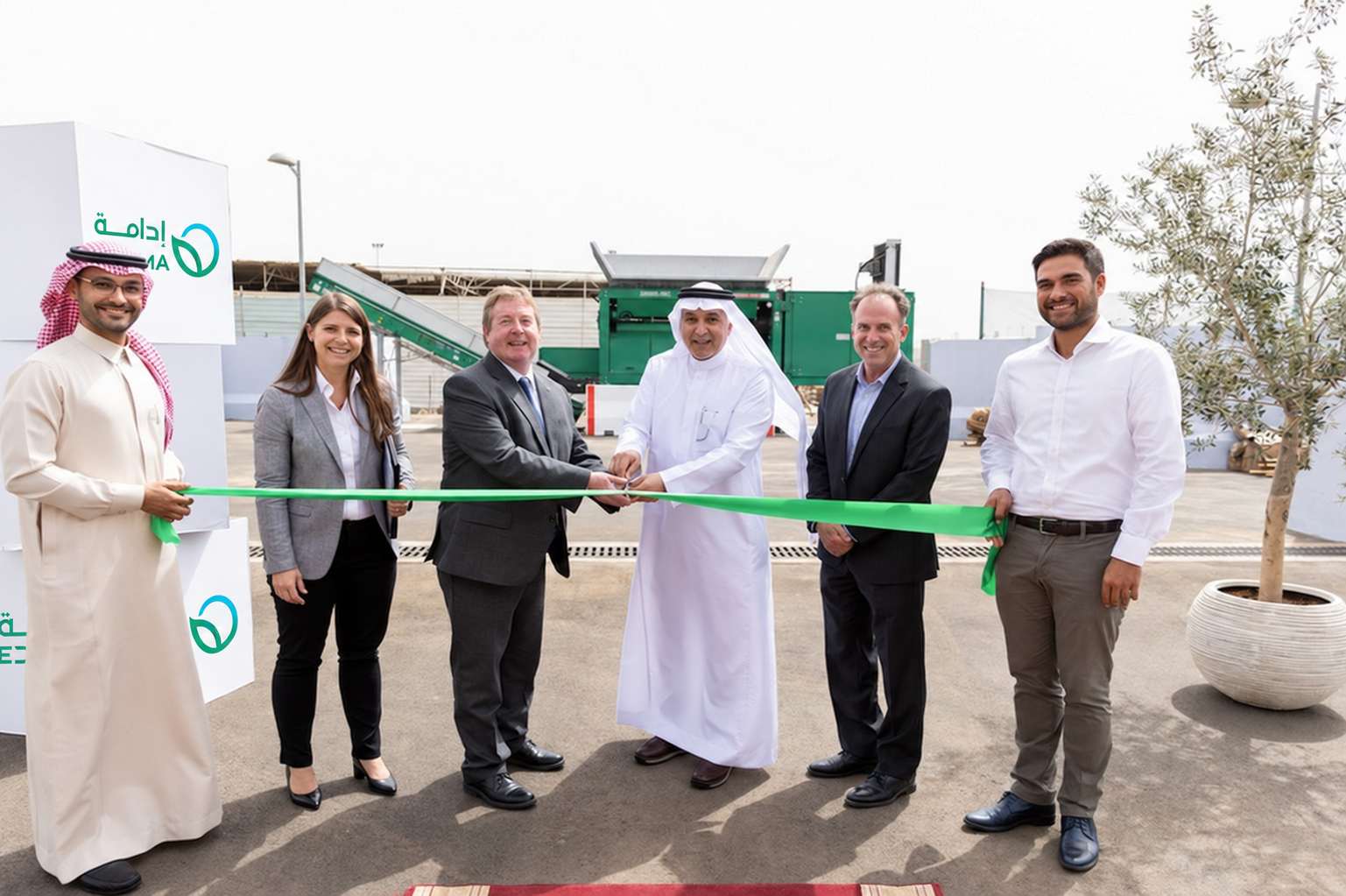
The KAUST-owned facility opened in 2022, operated by Edama’s original venture. Today, Edama continues that work through Organic Solutions for Environmental Services.
Progress in practice
15,000+tonnes
of organic waste recycled through composting at KAUST
May 2022–June 2026
Cumulative material recovered for composting, net of estimated contamination deductions. This measures recovered organic waste, rather than finished-compost output. Source: reconciled facility operating records, approved 20 September 2026.
Back into campus landscapes
KAUST’s landscaping team uses compost made by Edama from the community’s food and garden waste, bringing those resources back into campus soils.
Read KAUST’s March 2026 updateKAUST’s progress towards zero waste to landfill
Source separation, recycling and composting are changing how KAUST manages its waste. Edama contributes by turning the campus’s separated organic material into compost.
These are KAUST-wide results, achieved by the community and its waste-services partners. Zero waste to landfill remains the university’s goal.
2021 baseline supplied by Edama. KAUST’s February 2026 update reports approximately 60% diversion for 2025. These are campus-wide outcomes.
KAUST community update · February 2026 ↗Community participation · August 2026
From household kitchens to food outlets, separating organic waste is where the programme begins.
1,075
Households separating organic waste for the campus composting programme.
1,075 participating households out of approximately 2,300 campus homes.
100 %
All campus food and beverage outlets reported as separating organic waste for the programme.
Participation snapshot reported in Edama’s KAUST programme update, August 2026. These figures describe participation in source separation; they do not measure the proportion of food waste diverted from landfill.
Inside the KAUST programme
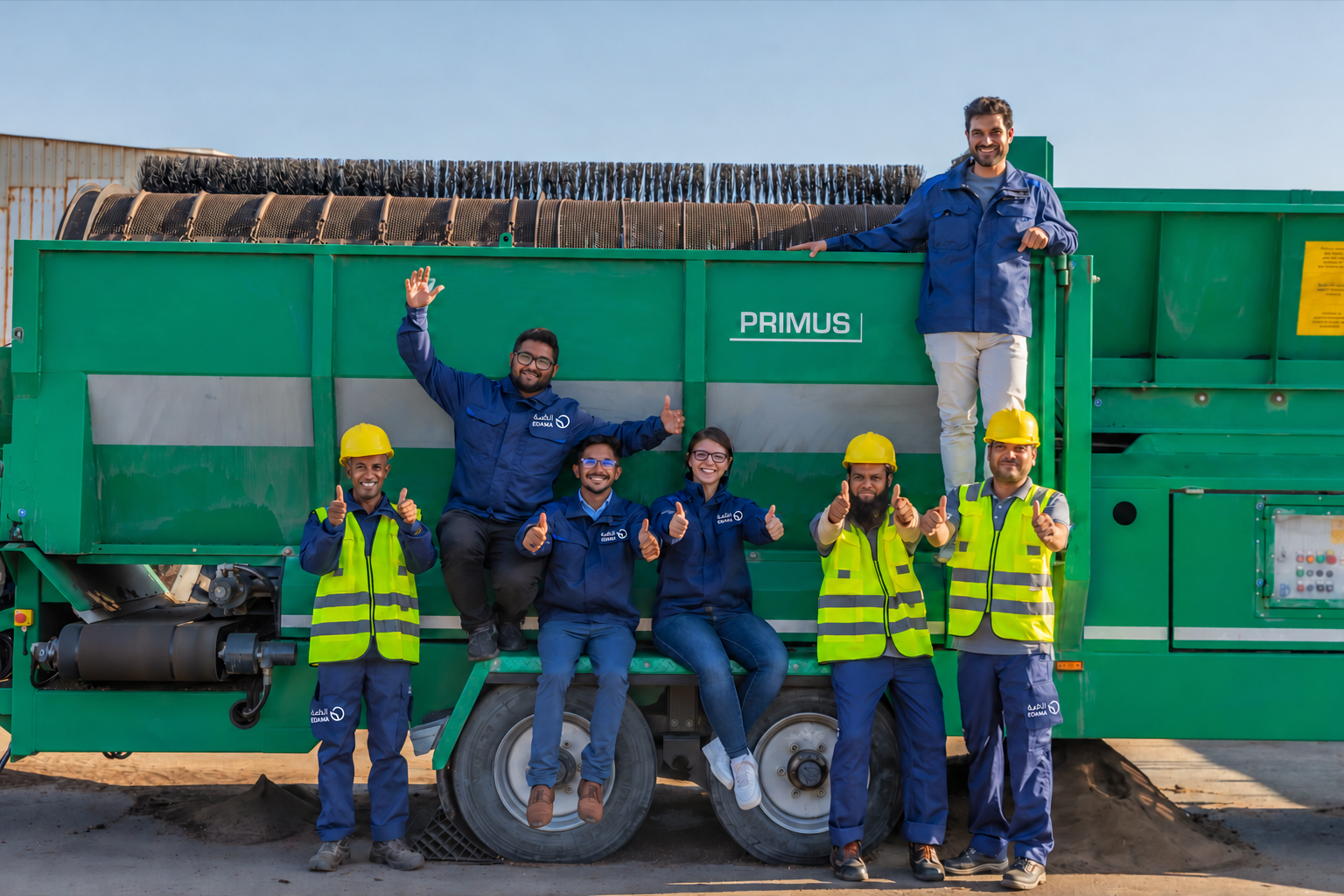
A facility built at KAUST, run by Edama and connected to the community it serves.
Closing the loop
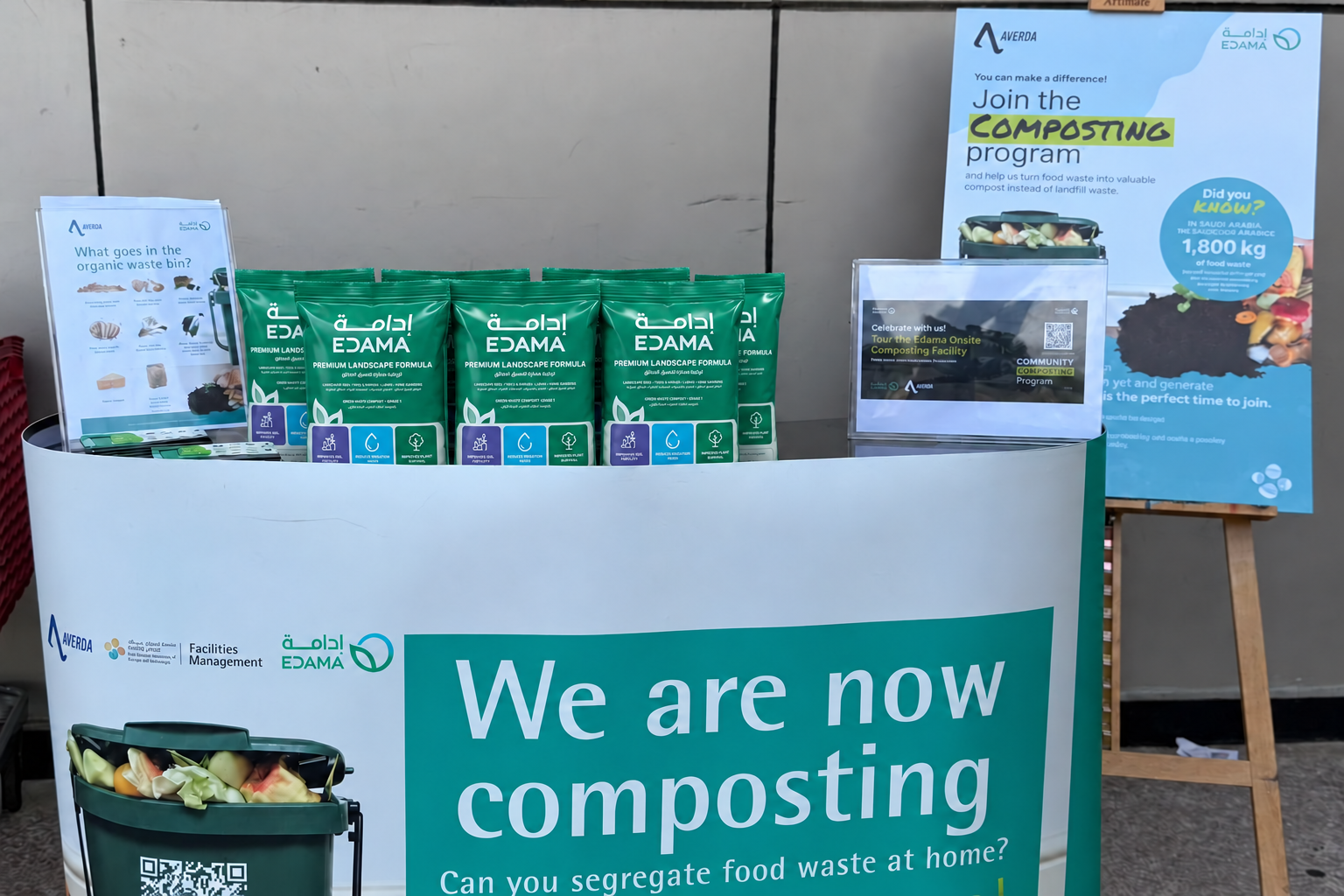
Residents, students, staff and food outlets take part in source separation. Compost giveaways, facility tours and hands-on demonstrations help people see the value of their contribution.
KAUST’s landscaping team already uses the compost on campus. In March 2026, KAUST announced free compost for registered composting households, giving residents a tangible return from the organic material they separate.
Read about compost returning to the community Explore the community programme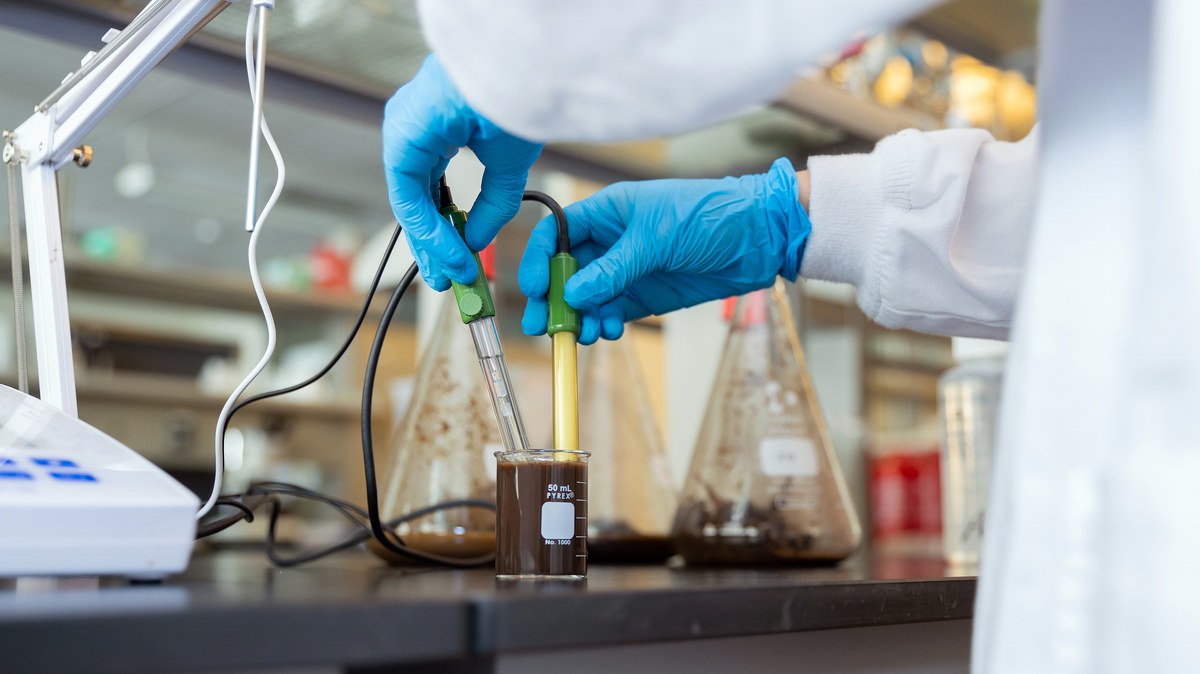
Documented quality
Laboratory testing connects facility operations with product quality. The product and treatment plant hold distinct credentials, each with a defined scope.

For organic waste generators
We’re inviting organisations that generate organic waste to explore recycling with Edama. Tell us about your material, location and volumes so we can assess suitability and explore how we could work together.
Inquire about recycling servicesMaterial acceptance and service arrangements are assessed individually. The proposed KAUST expansion is subject to project approvals and funding.
02 · Nespresso
Capsule recycling collaboration
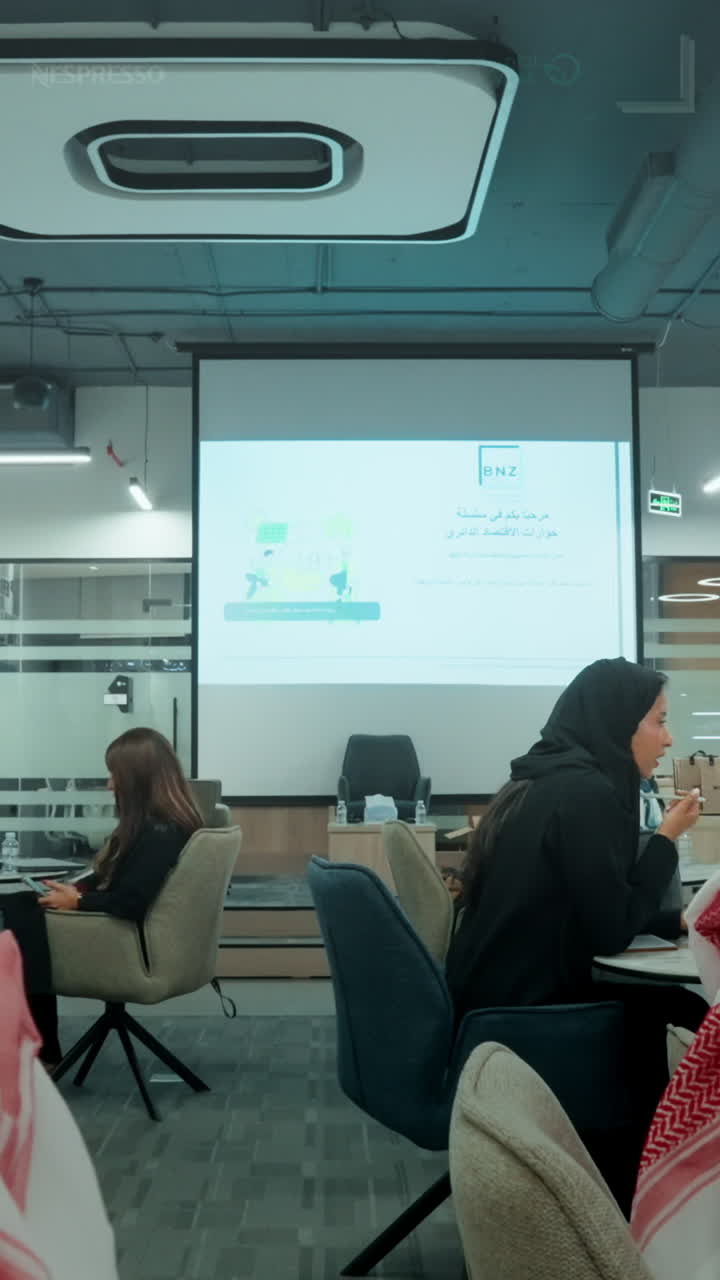
Our collaboration with Nespresso connects capsule recycling with organic-resource recovery, turning recovered coffee grounds into a useful resource for Saudi Arabia’s soils.
03 · NADEC
Under development
Our project with NADEC focuses on agricultural organic-resource recovery. The facility is under development, with the aim of turning organic residues into useful soil products.
This project represents the next stage of development and is not yet an operating facility.
Your project
Tell us about your material, site and sustainability objectives. We can explore the right approach together.