 Premium Green Compost
Products
Supporting growth in desert soils.
Green Compost for beds, trees, shrubs and lawns in sandy soils and arid conditions. Developed to support plant growth and water retention.
Get a quotation العربية
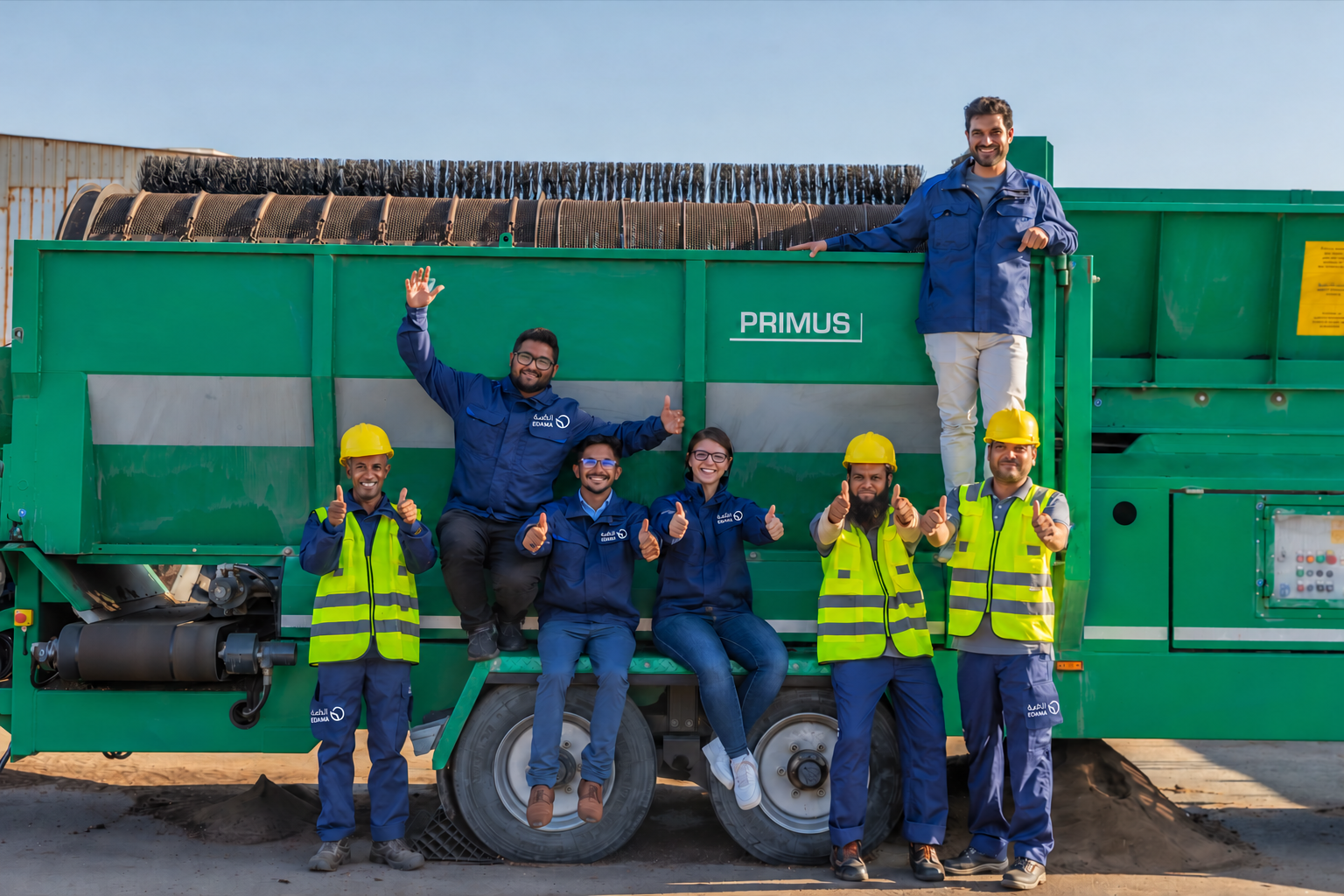
Edama recycles organic waste into premium agricultural products for desert soils.
About Edama
We bring science, engineering and innovation together to recover organic resources and support Saudi Arabia's landscapes and agriculture.
Discover EdamaProducts for your landscape. Recycling solutions for your organisation.
Premium Green CompostProducts
Green Compost for beds, trees, shrubs and lawns in sandy soils and arid conditions. Developed to support plant growth and water retention.
Get a quotation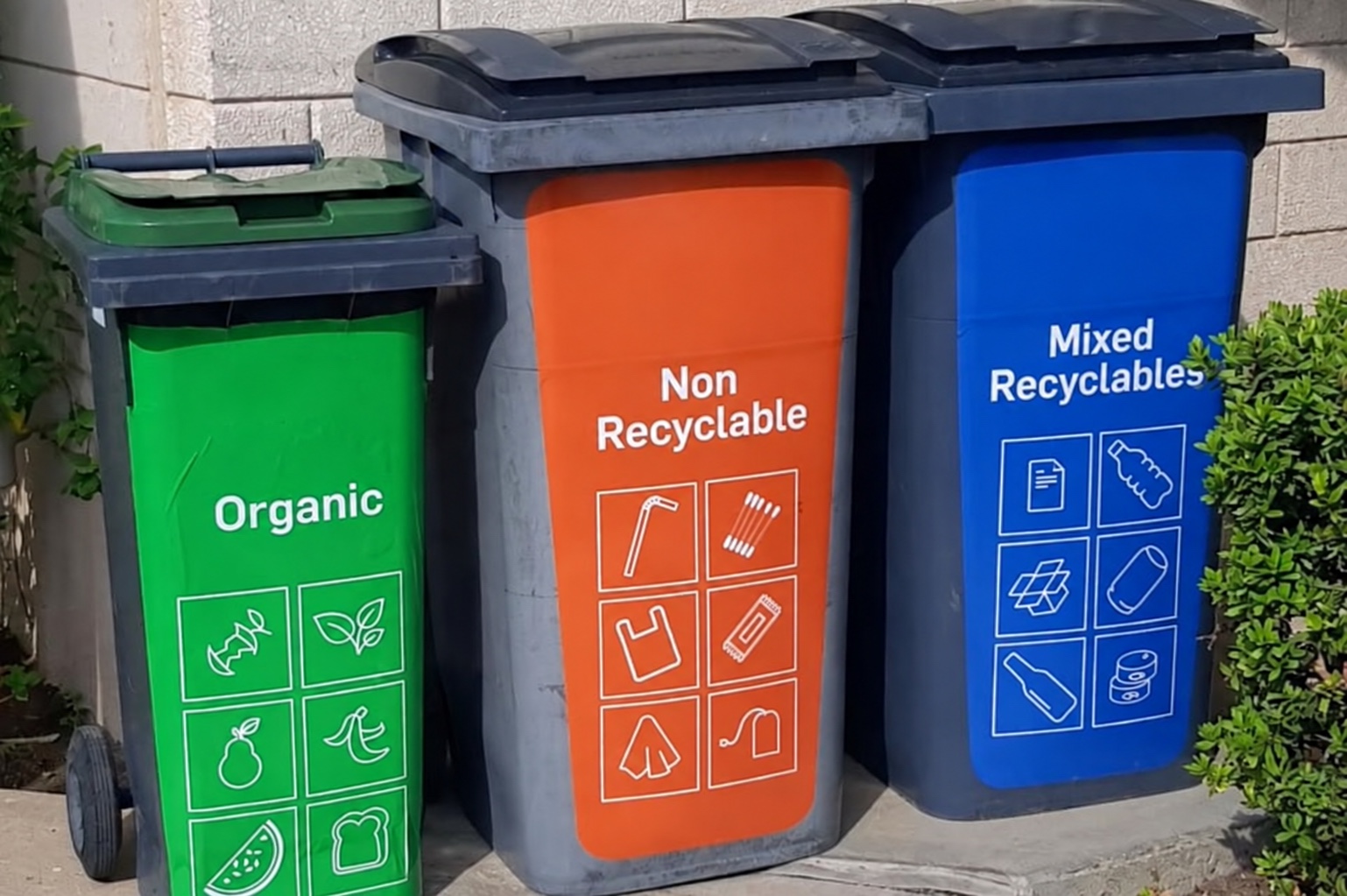 Organic waste recycling
Recycling Services
Turnkey solutions for projects of every shape and size. Source separation, facility and process design, construction, operations and product sales, fully managed from start to finish. You can also recycle your organics at an existing facility.
Inquire about recycling servicesESG
Saudi Arabia's circular future starts with local action. At KAUST, we recover organic waste for composting, supporting national landfill-diversion ambitions and turning ESG priorities into practical results.
The scale of the issue
61.7 million tonnes in 2024, across economic activities and households.
National ambition
Two national ambitions with different scopes. Organic resource recovery can contribute to both.
Our contribution at KAUST
Turning community organics into resources for greener landscapes.
Sources & estimate calculation ↗The KAUST resultsESG in practice. Resource recovery. Community participation. Traceable reporting.
Our ESG approachNational context. GASTAT's 2024 waste statistics report 61.7 million tonnes of organic material, 45.7% of all recorded waste. The MWAN strategic plan sets a 90% landfill-diversion target for 2040. Saudi Vision 2030's Story of Transformation states the Kingdom's ambition to achieve net-zero carbon emissions by 2060. These are national targets, not Edama results. Not all organic waste is suitable or available for composting.
KAUST recovery. Reconciled operating records show more than 15,000 tonnes recovered for composting from May 2022 to June 2026, after estimated contamination deductions. This is the recovery measure used here to describe diversion from landfill; it is not finished-compost output or a campus-wide diversion rate.
Indicative estimate of approximately 6,200 tonnes CO₂e avoided compared with landfill, May 2022 to June 2026. Based on more than 15,000 tonnes of organics recovered and the historical EPA WARM v14 comparison: a difference of 0.36 tonnes CO₂e per US short ton between landfill and composting. This US model is not measured site emissions or a carbon credit. Soil-carbon storage is included once. EPA WARM v14, February 2016, Exhibit 2-4